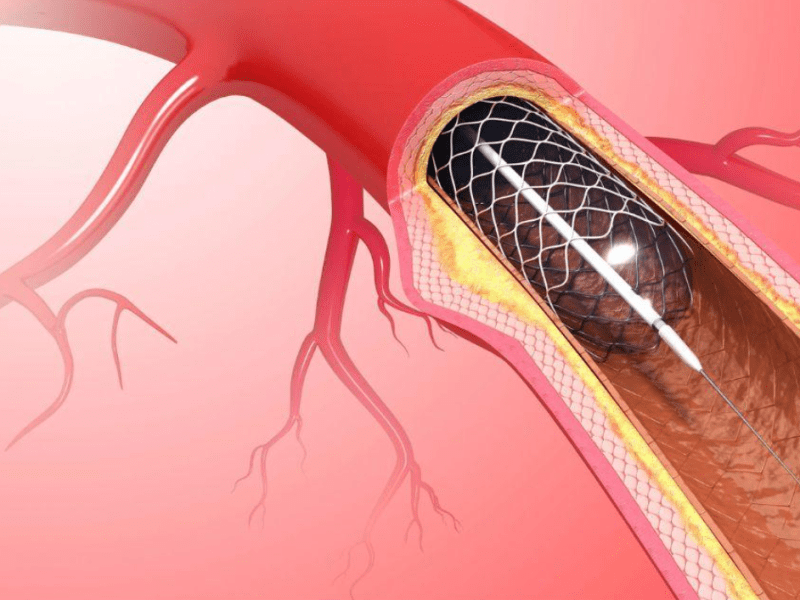
The First FDA-Approved Stent Tailored for Newborns with Congenital Heart Disease
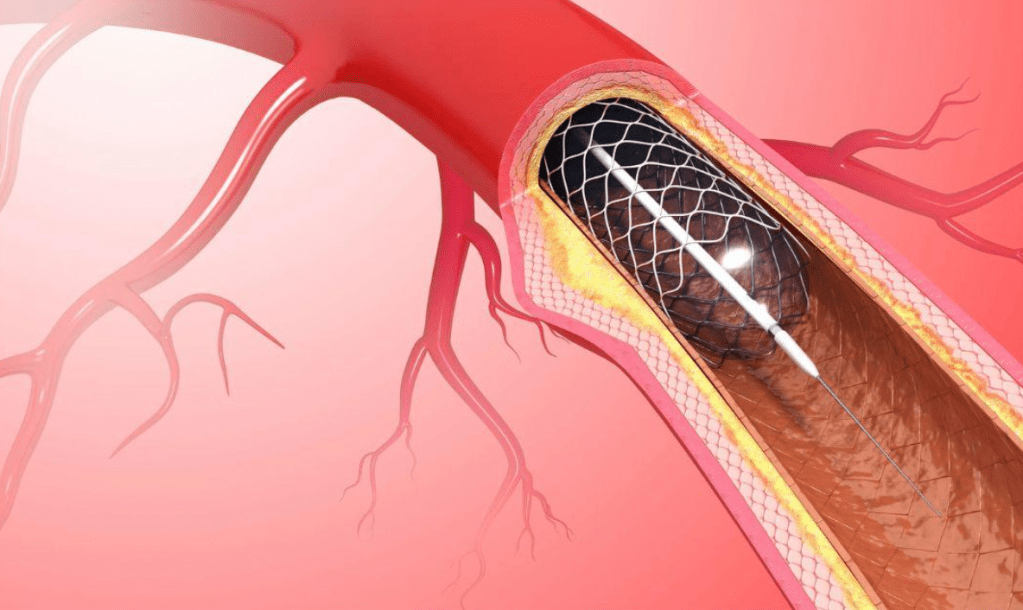
In 2024, the FDA approved the Minima stent, a first-of-its-kind special stent system that is specifically designed for infants and is tailored to accommodate for their growth. Since its FDA approval, more and more pediatric hospitals have started to offer this novel stent.


The Potential Health Wonders of Holiday Gingerbread
From decorated gingerbread houses to people-shaped cookies, gingerbread has become a Christmas staple in many parts of the globe. And because ginger has numerous health benefits, gingerbread can also potentially be a nutritional holiday treat.

Looking at Neurodegenerative Diseases and Her Career From One Angle to Another
In graduate school, Samantha Cobos studied neurogenerative diseases. As a postdoc, she continues to investigate neurodegenerative diseases, but from a new angle. Additionally, her general interest in chemistry grew into a true passion for research and teaching.

4 Notable Community-Valuing, Globally Known Filipino Scientists
To honor Filipino Heritage Month this October, here are 4 Filipino scientists who have made a large impact with their notable, selfless efforts, both in their community and worldwide.

The Biochemistry Behind Bacterial DNA Replication, DNA Repair, and Protein Tyrosine Phosphatases
As a postdoc with a PhD in biochemistry, Devon Semoy studies protein tyrosine phosphatases, which play a role in many different cancers. Previously, he studied bacterial DNA replication and repair.
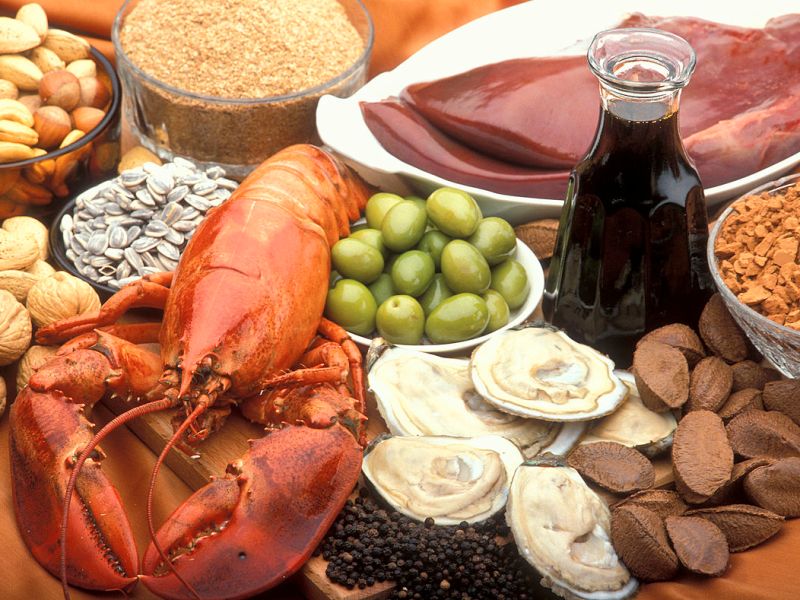
Treating Disease with Omega-3s
Products of omega-3 fatty acids derived from food have been found to play a role in modulating T-cell activity. This can ultimately help treat multiple sclerosis.

Quick Tips for Presenting Complex PhD Research to General Audiences
Presenting at a science communication event was quite different from presenting at a research conference. Here are four things I kept in mind when explaining my PhD research to two types of audiences.
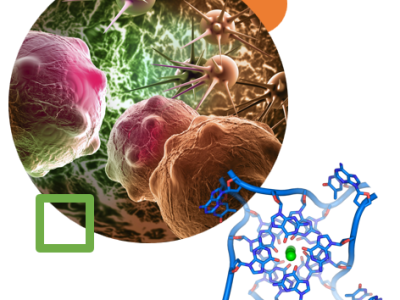
Cancer’s Complex Quadruplex: Characterizing Molecular Interactions with Telomeric DNA G-Quadruplexes
In cancer cells, when DNA G-quadruplex structures form at the ends of telomeres, they can essentially help stop further tumor growth. Thus, molecules that bind to these structures and keep them stable are potential chemotherapy agents. [how I presented my PhD research to graduate students of different STEM disciplines]

Hello World! Welcome to Jess Translating Science!
Introducing our new science blog focused on promoting and translating science for diverse audiences!



 Jess Translating Science